 SponsoredSponsored
 Home Signal explainer desk15 September 2026
Insurers have a dry name for the most common home disaster in Europe: escape of water. Not storms, not rivers. Water that gets out of a hose, a joint or a pipe inside the house.
Most people picture a burst pipe and a fountain. The real accounts look different. The water gets out quietly, and nobody finds it for hours. Sometimes for weeks.
We read through dozens of public accounts from homeowners, tenants, a fire service log and a home-automation forum. Eight are below. Then we explain how the leak happens, what people wrongly assume, and how a sensor changes the one number that matters.
Insurers have a dry name for the most common home disaster in Europe: escape of water. Not storms, not rivers. Water that gets out of a hose, a joint or a pipe inside the house.
Most people picture a burst pipe and a fountain. The real accounts look different. The water gets out quietly, and nobody finds it for hours. Sometimes for weeks.
We read through dozens of public accounts from homeowners, tenants, a fire service log and a home-automation forum. Eight are below. Then we explain how the leak happens, what people wrongly assume, and how a sensor changes the one number that matters.
Insurers have a dry name for the most common home disaster in Europe: escape of water. Not storms, not rivers. Water that gets out of a hose, a joint or a pipe inside the house.
Most people picture a burst pipe and a fountain. The real accounts look different. The water gets out quietly, and nobody finds it for hours. Sometimes for weeks.
We read through dozens of public accounts from homeowners, tenants, a fire service log and a home-automation forum. Eight are below. Then we explain how the leak happens, what people wrongly assume, and how a sensor changes the one number that matters.
An escape of water is water leaving a pipe, hose, tank or appliance inside the home, and the damage is set far more by how long it runs than by how much comes out at once.
None of the people in these cases used Shelly products or were paid for their accounts. Each one is quoted from a public post, and every source is linked in full.
A joint near the hot-water connection in his garage failed and began spraying hot water. He already had a leak sensor on the floor right next to it. It detected the water and wrote the time into its history.
What it did not do was tell anyone. He had never set up an alert. His wife found the leak the next morning, after hearing odd noises and seeing steam.
The plumber traced it to water pressure running close to 120 psi, more than the water heater could take. The heater and a pressure regulator were replaced. The first thing he did afterwards was set up the alert, with texts, flashing lights and a spoken warning.
“I never set up any alerts to tell me when the sensor detected a leak.”
The washing machine was five and a half years old. At midday the owner found it had stopped working and was leaking. They switched it off and mopped up.
The flat below had already taken the water: a wet carpet and a damp wall. The letting agency raised the question of liability. The poster photographed everything as it happened, to send to a relative for advice.
There was a known drip from a hose in the flat. It was caught in a container, and the repair was on the to-do list. Then someone left the tap running and went out.
About four and a half hours later the water had reached the flat below: wet walls, wet carpet, ruined wallpaper. The owner's insurance excess alone was 600 to 850 pounds, so they planned to pay the neighbour directly. A reply in the thread pointed out the harder problem. Because the leak was known, the neighbour could claim negligence.
“I have every intention of covering all the costs.”
A burst pipe saturated a kitchen and the rooms beside it. The kitchen was marked for replacement, the carpets came out and most of the furniture was written off. The drying firm estimated 7 to 10 days before the kitchen could even be removed.
The replies told the rest. One household had floors coming up and walls hacked off. Another spent around six months in a hotel and then a rental before going home.
Four more, in brief
| Source | What happened | The number |
|---|---|---|
| MoneySavingExpert, “bluegoldie”, Aug 2024 | A washing machine leak lifts half the hallway laminate and a quarter of the kitchen's. The insurer will replace only the damaged boards. | £650 excess |
| MoneySavingExpert, “spudgun00”, May 2018 | A failed shower seal leaks for weeks. The neighbour comes back from holiday to brown ceiling stains and a cracked beam. | ~£1,000 |
| Buckinghamshire Fire & Rescue, Dec 2024 | A crew is called at 9:25 pm to a washing machine leak flooding a second flat. They isolate water and electricity. | 2 flats |
| Home-automation forum, Apr 2025 | A phone alert arrives during the grocery shop. A puddle at the water heater is caught while still small. | minutes |
Read the eight together and the water is never the surprise. The surprise is always the clock.
Plumbers and loss adjusters give the same short list. The cases above fit it exactly.
Rubber under mains pressure, pushed against a wall. A washing machine or dishwasher inlet hose is live whenever the tap behind it is open, even with the machine switched off. A clip that loosens by a millimetre lets go the next time pressure spikes.
Slow, hidden and patient. A trap, a flexible connector or a silicone seal weeps into a cupboard base or a ceiling void. Nothing shows until the chipboard swells or a stain appears downstairs.
Heat, pressure and age in one box. The first case above was a joint failing at close to 120 psi. Heaters often live in garages, lofts and cupboards where nobody walks past.
Trays under machines are cheap and feel responsible.
A split inlet hose at mains pressure can release ten litres a minute or more. The tray is full in seconds.
A burst pipe sounds dramatic.
In three of the cases, people were out or asleep. In the fourth, a known drip became a flood while the owner was away.
Escape of water is covered on most policies.
Excesses of 600 to 850 pounds, repairs that leave "a patchwork quilt" of flooring, and one family out of their home for about six months.
A sensor on the floor feels like protection.
The first case had one. It recorded the exact minute the leak began, and nobody knew for eight hours.
Rates are deliberately low. A fully burst hose at mains pressure can deliver several times the 10 litres a minute used here. A drip of one drop a second is about 4 litres a day. Most of the water does not pool. It runs under the units and through the floor, which is how it reaches the flat below.
The idea is older than smart homes and very simple. Two metal contacts sit a fraction of a millimetre above the floor. Tap water carries enough dissolved minerals to conduct electricity, so when water bridges the contacts, a tiny current flows and the sensor knows it is wet.
What changed is what happens next. A modern sensor does three things at once. It sounds in the room, for whoever is home. It sends a message to your phone over your home network, for when nobody is. And it can tell a shut-off valve to close, so the water stops even if you are an hour away.
Sits flat under a sink or beside a boiler. Battery powered, so it goes where there is no socket.
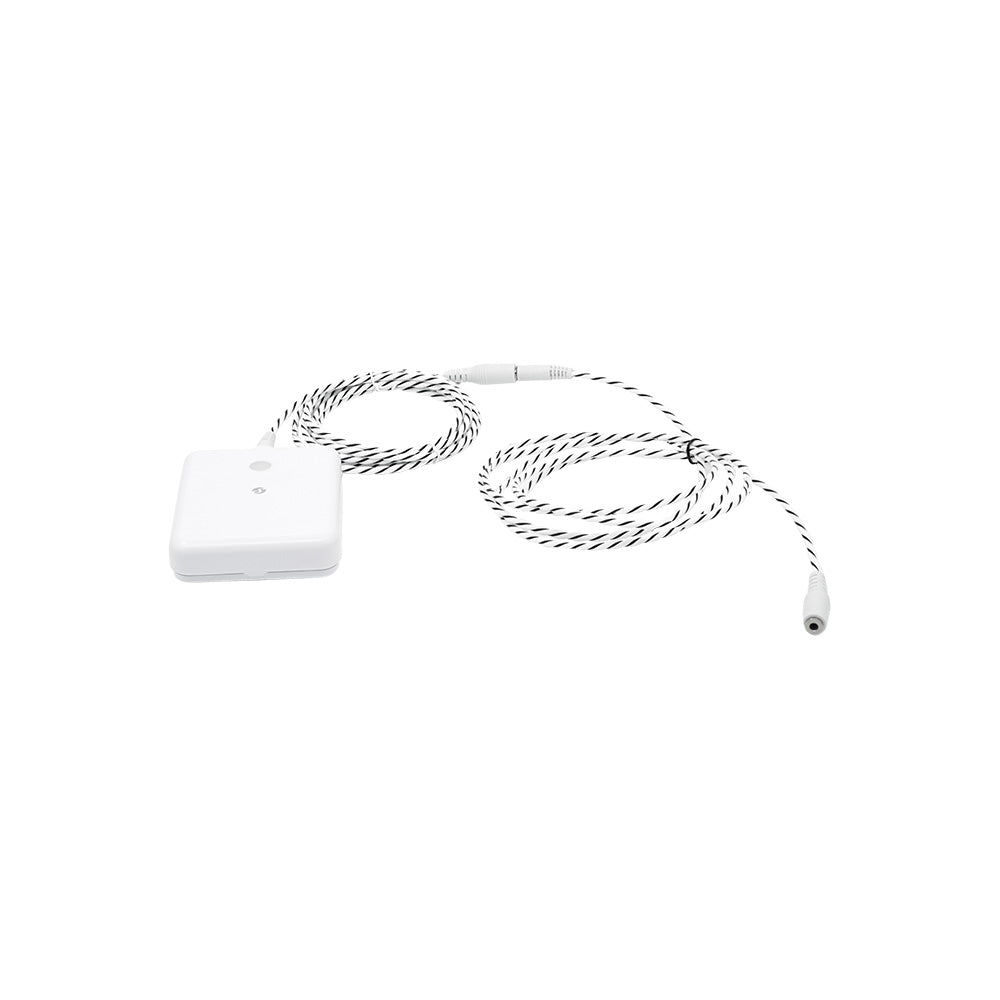
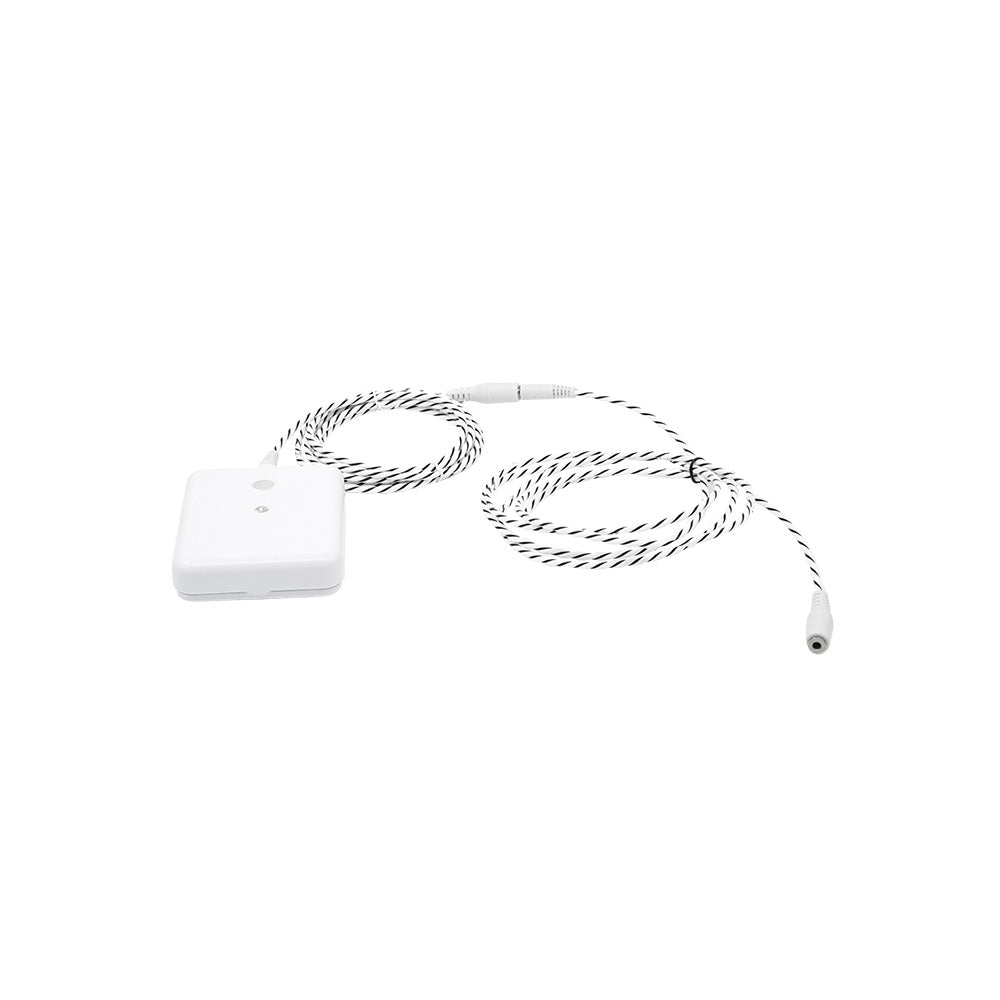
A cable that detects water anywhere along its length. It runs behind a washing machine or along a pipe, where a single puck would miss the drip two metres away.
A seal leaking into a wall raises the humidity in that cupboard for weeks before anything reaches the floor. The sensor draws that rising line.
A sensor tells. A motorised valve on the main supply stops. That valve usually sits after the stopcock and is fitted by a plumber.
The lesson from the first case is the whole point. Whatever you install, test that the alert reaches your phone. Pour a glass of water on it and wait for the buzz.
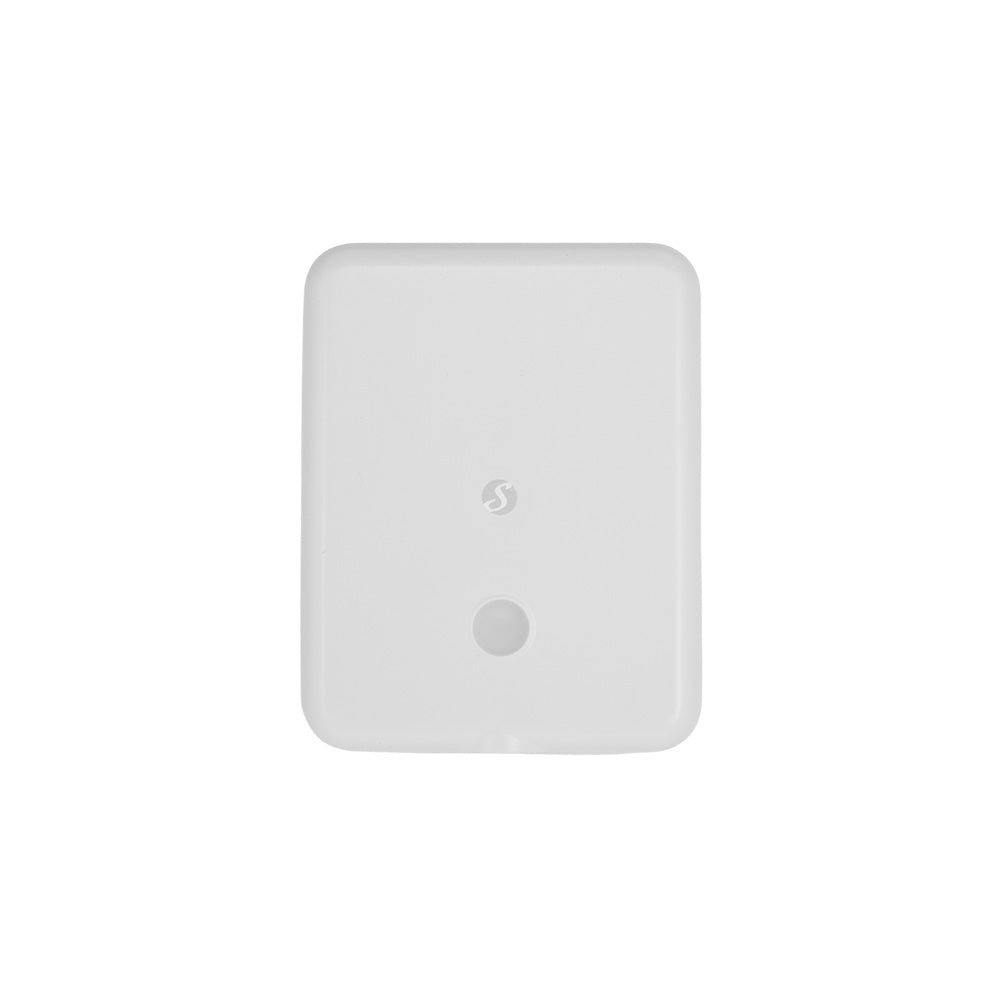
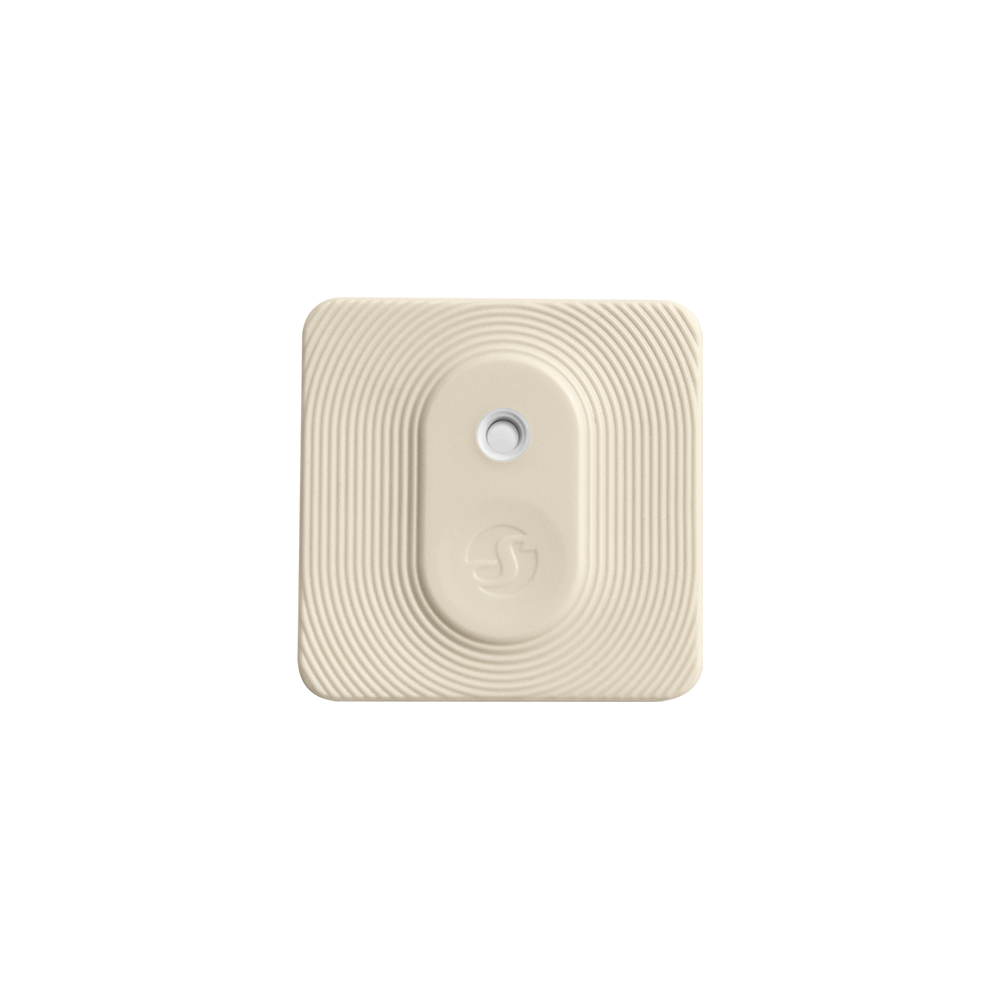
The kit below is one way to do it, from Shelly, the smart-home maker behind this sponsored explainer. A floor sensor for the sink cupboard, two sensing cables for the hoses and the heater, and a humidity sensor for the wall that gets damp first.
If you want to act on this
A floor sensor for under the sink, a length of sensing cable for the hose run behind the washing machine, and a humidity sensor for the wall that gets damp before it gets wet. The cable bracket comes with it. 72.60 EUR against 82.50 bought separately.
Pick the colour of the humidity sensor above. The shut-off valve is offered on the next page, for when you want the water stopped, not just reported.
"Working wery well. I had some water on the floor and it imidiently started beeping."
"Alles gut"
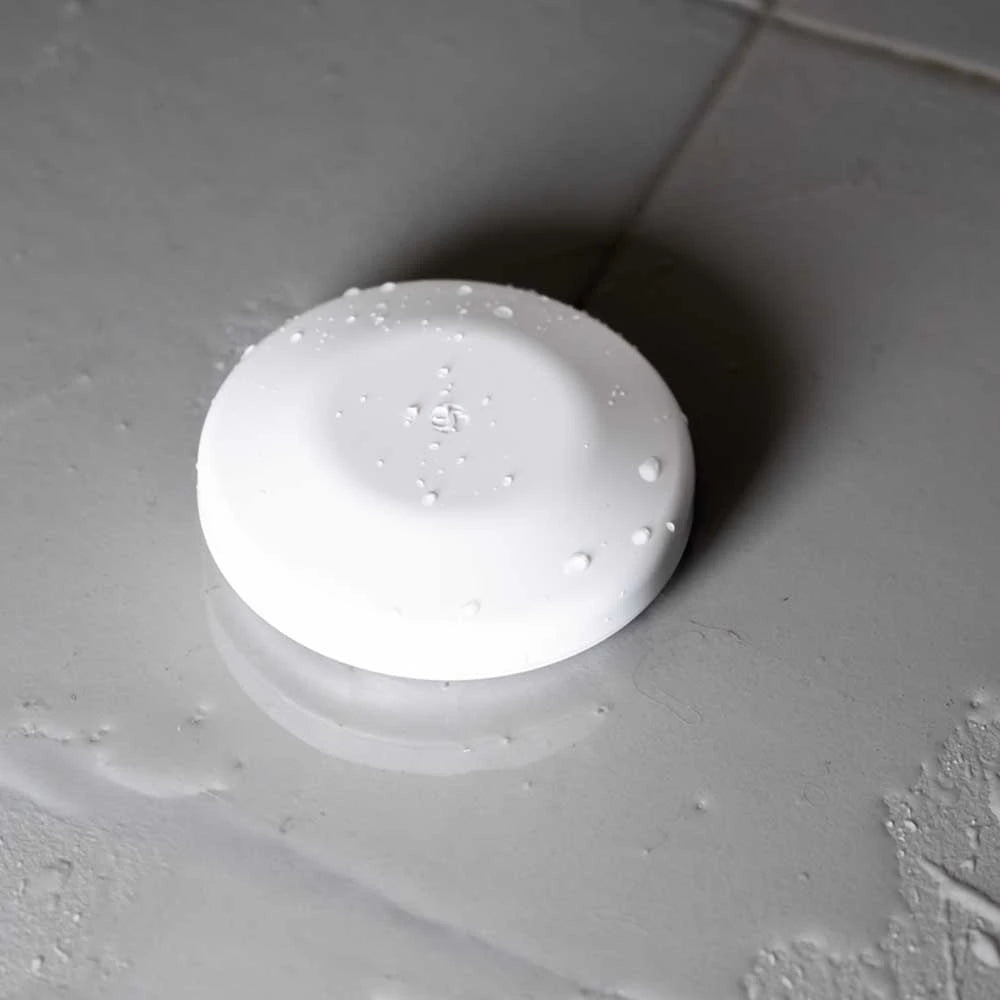
"I use it to monitor at the ends of my irrigation pipe (drip irrigation) to see if it actually gets wet at the specified time, and that works perfectly. In the event of a leak, it would remain dry and there would be an alarm. I works great!"
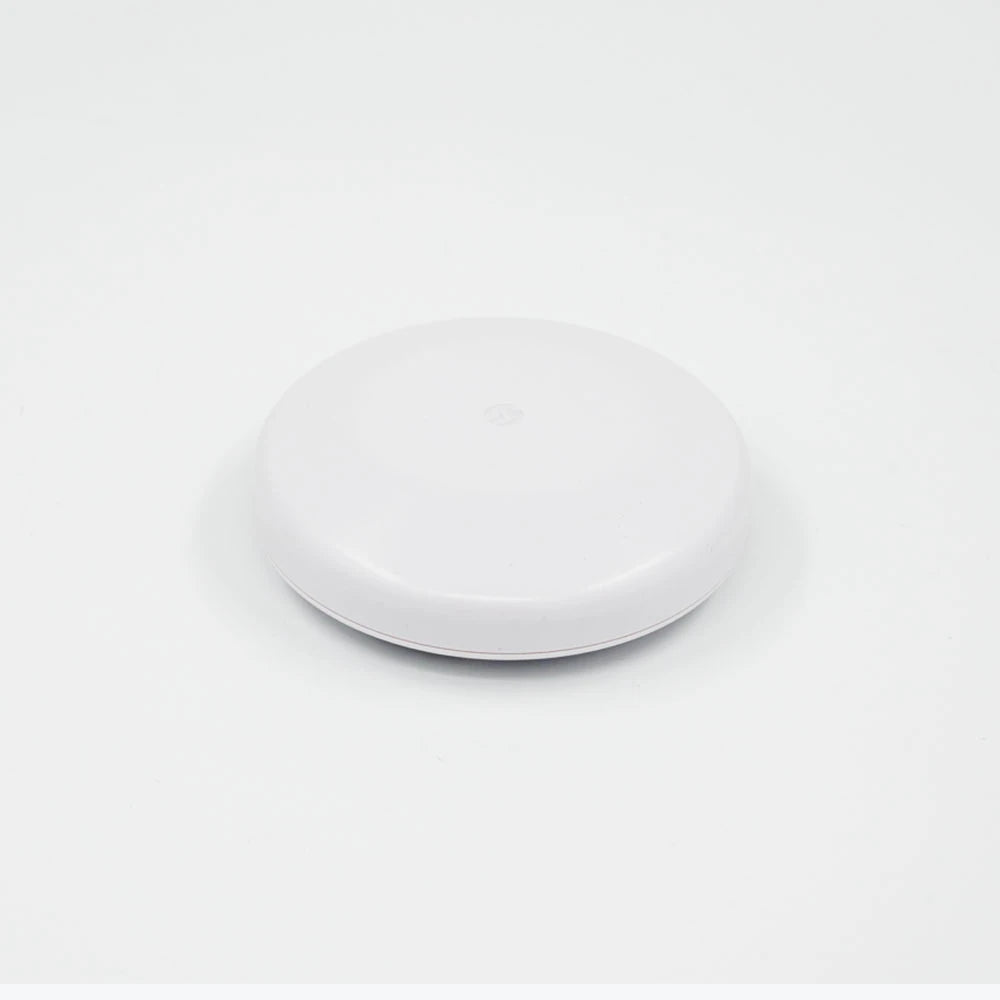
"After owning a Shelly Flood Gen 4 (the one with the sensor "tail") I decided to give the Flood S Gen 4 a try. Installation/setup was a breeze and I really like the fact that you can put it underneath almost any type of furniture even washing machines to it's completely unvisible."
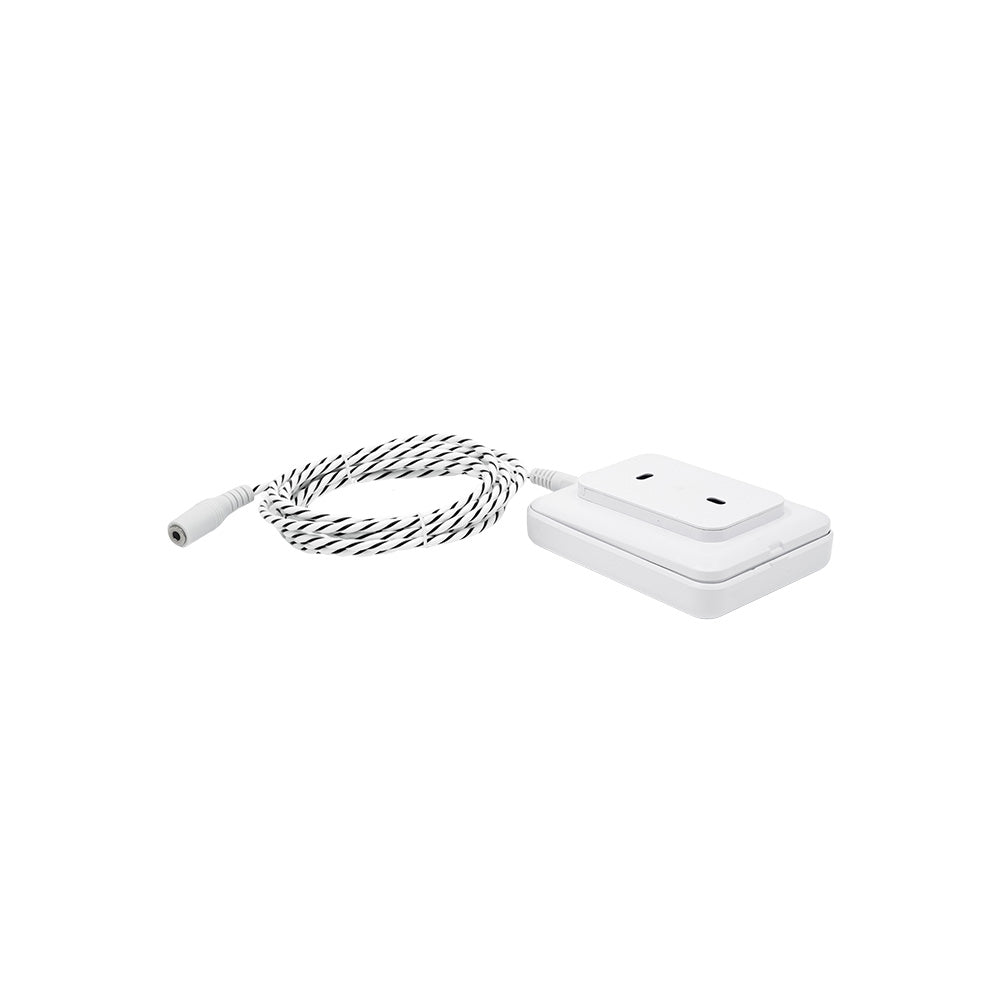
"Reactivity in the shelly app not so perfect Good via MQTT through a domotic box"
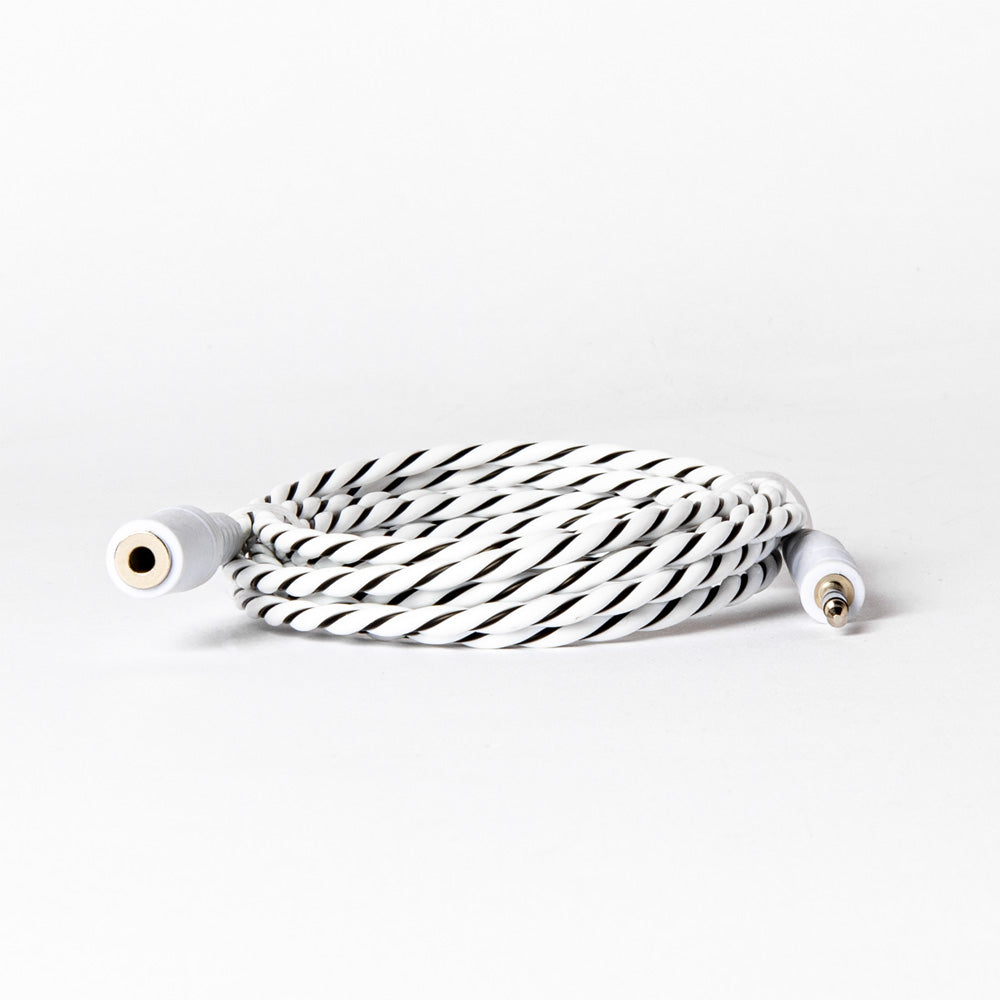
"Extra length very useful for extending the monitoring area."
Four stars and below are left in. The cable has the weakest score of the three on the store, and the complaint is the plug where it meets the sensor. Push it home until it clicks and clip the cable so nothing pulls on it. That is what the brackets in the kit are for.